
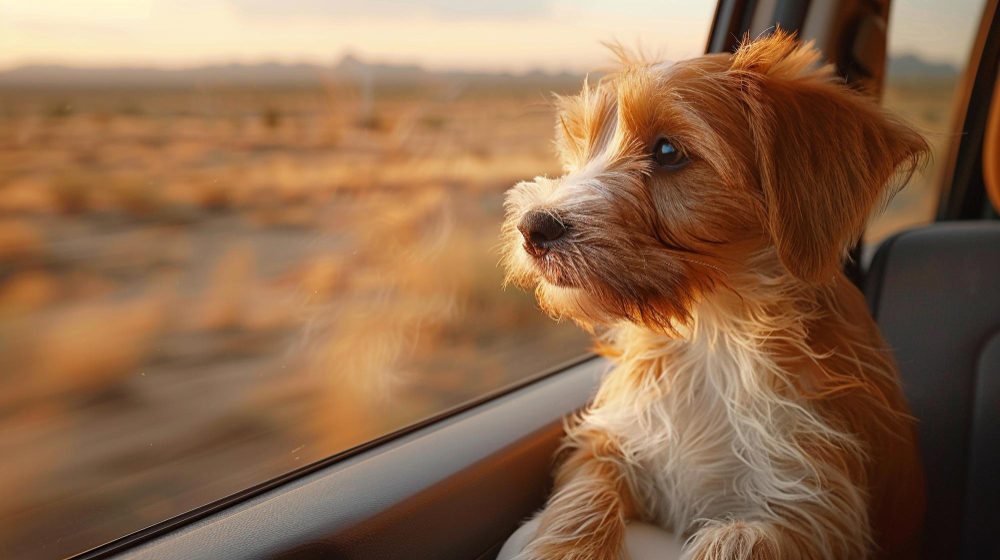
Optimising Pet Transport Services from Newcastle to London using a Pet Taxi
Introduction to Pet Transport Services
Over one million British pets have had to be transported every year under extreme stress. We aim to solve this by improving pet transport services for over 130,000 pet owners looking to relocate their pets from Newcastle to London. The estimated market sales for this complementary pet taxi are £2.3 million, and the margin will be at 84%.
In our market business plan, we discuss the types of pet taxis available in the United Kingdom for the routes in question. Ground pet transportation on the relevant route(s) starts at £163, and domestic cat and dog air travel from Newcastle to London starts at £400, with a maximum of £2000 for a maximum travel distance and is generally cheaper, as with ground transport. This doesn't include travel within the rest of the UK or international pet transportation. Moreover, if the traveller wants to stay overnight with their pet, it will be an additional £20. Travelling without your pet and sending them via courier is cheaper, as domestic pet owners can travel without their pets for only £146. Domestic pet rail fare costs start at £171. With the currently available pet transportation options, legislation states that pets are classed as cargo.
Regarding these costs, pet transport and travel costs will amount to £227. Certain required sections of pet movers' additional costings are attached for consumer appraisal for greater transparency. The plan is to use a pet courier with experience within the pet transport industry. This pet courier is cheap and reliable.
Regarding transporting animals, the worker responsible has more than 10 years of experience. Guides are specific in regulating the transport of pets during any part of the confinement of cages or containers as they arrive. It is estimated that 4 hours are needed to travel to the potential layovers, rest, and refill. The pet courier will leave their residence at 9 AM to ensure adequate layover duration. Facilitating long-distance pet travel will be much more comfortable if the animals can travel in a animal taxi. Animal couriers will hold liability insurance to safeguard themselves and the creatures they handle. In addition to the client, a staff member will be carried on the subsequent transportation journey. Many final destination pet taxis drop off the owner and make a second round trip to the pet. This will counter that and be much more convenient. In addition, a pet taxi from London will also pick up the pet owner from the airport. Therefore, it is a unique service.
Challenges and Considerations in Pet Taxi Services
A pet taxi service presents several operational and logistical considerations that must be factored into a successful business plan. In all cases of riding with an animal, establishing the safety, well-being, and overall comfort of the animal during transit is the primary concern. Therefore, on any journey, the driver must be able to ensure that the animal is neither too hot nor too cold and that the animal cannot place too much of itself in a position to damage itself in the steel cells of the taxi. Using standard cars equipped with harnesses can ensure this level of comfort and safety for the animal and remove the additional cost of outfitting a van with crates or small enclosures with sound ventilation systems. The last element to consider when running a pet taxi is hiring a driver with the proper experience and a full driver's license. In the pet transport industry, few stable or salaried jobs exist besides those connected with established kennels, veterinary surgery practices, or rescue centres. Thus, applicants must be trained in the safe, compassionate handling of all kinds of animals, preferably animals in some degree of distress or illness. Recruiting a long-term co-worker or setting up the operation for the coming years is likely to be expensive and time-consuming. To conclude, here is a bullet point list of the difficulties both old and possibly new pet taxi operators are likely to face when considering providing a similar pet taxi service to the one we have envisaged, and consequently, the expenses they are likely to project.
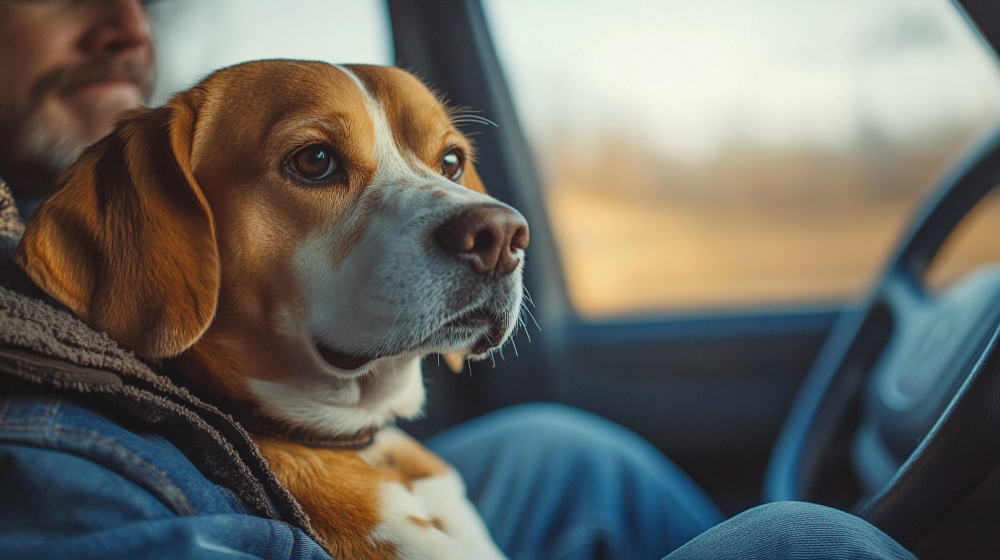
Best Practices for Pet Taxi Operators
Organising the pickup of pets at their homes is correspondingly beneficial for many pet owners. Nonetheless, each provider in Christian's position as a pet taxi driver faces the challenge of managing transport-related logistics correctly, which causes operational difficulties. Despite this fact, locating a willing driver was essential. Enlightening reportedly led to several alternative solutions regarding the transport of pets from one location to another.
Vehicle maintenance is not just good practice but also a duty of the provider. Animals tolerate only restricted temperature variation. Comfort and safety are primary design considerations. The vehicle needs to be safe for the pets and the driver. The best-trained drivers may encounter technically related incidents generated through a seemingly long-term campaign. Now, competence in animal behaviour is one of the integral competencies.
Consequently, this factor and others are examined when contracts for new drivers are envisaged. Periodic driver reviews ensure that all drivers have this knowledge. Almost all pets are in pet carriers or on a lead. Cars carry a maximum of four pets plus whatever is related to pet taxis to maintain a safe and clean environment. Such precautions reduce the possibility that a pet will jump out of a car. Pet owners love pets. The sadness of pet separation has the potential to grow into considerable worry. The greatest thing could be to confirm what they can carry out with the resolution procedure. Booking and vehicle tracking systems are critical for operational effectiveness and less fretful pet owners. No one expected it, yet a solid following has been created in the community through the franchise owner seeking feedback from every customer. Selected by Christian and his partner, they have regular management meetings, at which much is done to strengthen the accuracy and punctuality of service delivery. Compliance with stringent health and safety regulations, which would clearly ensure the highest care for the pets and may also protect the driver as the final stop in the delivery chain. The delivery and pickup services come at a premium, but these providers offset some additional costs.
Customer Experience and Satisfaction in Pet Transport Services
Providing a pet transport service involves ensuring the pet owner is relaxed and relaxed about any aspect of the journey taking place as part of this pet transport service. Many pet owners worry about the safety of their animals and their pet's welfare during the trip. Finally, pet transport will always be an emotional decision as many pet owners may not want to put their pets, especially elderly pets or pets with complex medical issues, through a flight and prefer to keep their beloved pets with them in a pet taxi, which is safer and less stressful for their loved ones. When analysing customer satisfaction in pet transport services, much can be learned from touchpoints experienced throughout the process. Starting with an inquiry or booking, the quality and ease of access to a user-friendly website are essential, as is a quick and efficient response to an investigation regarding any aspect of the pet transportation services. The use of first-name terms in communication has been found to positively influence satisfaction and establish some kind of relationship at the inquiry stage. Regular updates are significant, and good communication is critical even after the pet transportation has taken place, with the animal tracking on a computerised system. Finally, a pet owner will expect some form of debriefing, usually through a short customer service questionnaire emailed by the pet transport services booking company, to rate the service and make any complaints, with such feedback linked with the possible impact of trust.
Future Trends and Innovations in the Pet Transport Industry
The pet cab space is new and trending wildly, emerging as a preferred pet transportation option for crossing places. Below are the technologies for pet transportation services.
GPS Tracking GPS tracking for the vehicle provides complete mapped-out rides. Consumers want to locate their pets all the time while on a ride.
Mobile App/Cloud Optimisation A mobile app would provide an easy interface for users to book rides or request help. The cloud service is an environment to synchronise data across apps, regardless of where users log into their pet transportation service.
New Improvements and Breakthroughs Channel participants predict that sustainability factors and advanced technology will produce significant stimulus.
Vehicle choices are increasing, powered partly by consumer demand. Industry views indicate a preference for smaller, fuel-efficient vehicles. Most shippers wish to work with a reliable car.
Eco-Friendly, The sustainability of pet transportation services, is vital for various customers. However, end consumers rated this element higher, particularly by professionals involved in complementary activities that place them closer to animal protection. Transport companies are increasingly using eco-friendly cars to transport pets. This practice is beautiful in tourist destinations because some customers are willing to pay more to transport their animals in eco-friendly vehicles, which resonates deeply with professionals. Some carriers even specialise in hybrid and electric cars used exclusively for pet transportation. In contrast, two carriers use diesel and gasoline cars, respectively. The use of such vehicles is partly due to user demand for transporting animals, and no one has complained about the pollution produced by petrol or diesel vehicles.